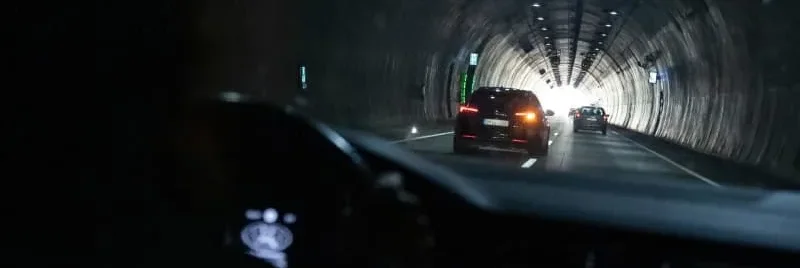
Recover detail across deep shadow and bright highlight in a single frame — in a deep learning model of just 848 parameters.
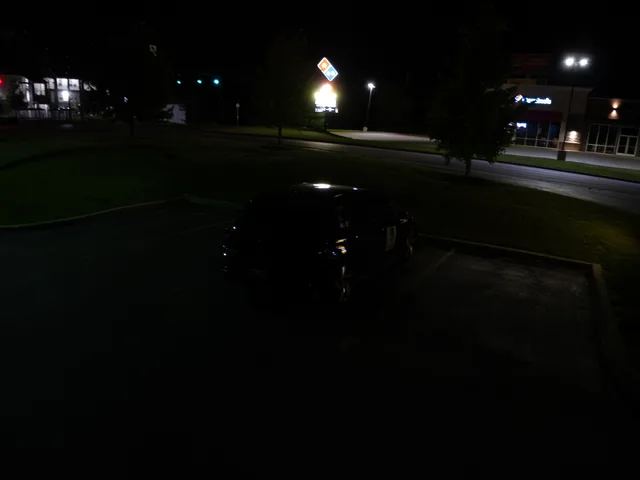
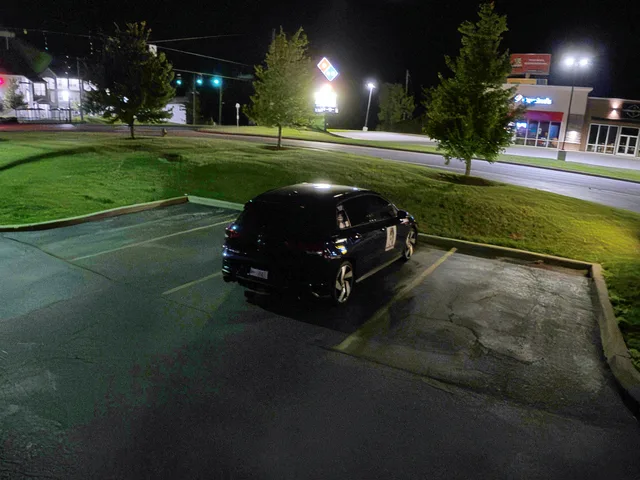
| Method | Year | Deeplearning? | Params↓ smaller | Bright.mean | ContrastRMS | Detailentropy ↑ | Crushed%dark ↓ | Blown%bright ↓ | SpeedCPU ↓ |
|---|---|---|---|---|---|---|---|---|---|
| CLAHE | 1994 | No | — | 59.0 | 44.0 | 6.34 | 29.9 | 0.4 | 0.06s |
| AGCWD | 2013 | No | — | 77.6 | 70.2 | 5.66 | 29.9 | 6.2 | 0.04s |
| LIME | 2017 | No | — | 97.2 | 49.9 | 6.71 | 13.5 | 1.7 | 3.27s |
| MSRCR | 1997 | No | — | 100.3 | 57.3 | 7.48 | 11.5 | 1.5 | 1.38s |
| DarkIR | 2025 | Yes | 3.32M | 121.0 | 62.2 | 7.21 | 8.8 | 9.0 | 2.18s |
| Retinexformer | 2023 | Yes | 1.61M | 85.1 | 61.8 | 7.10 | 15.0 | 1.6 | ~2.08s |
| DeepLuxOurs | — | Yes | 848 | 121.9 | 52.3 | 7.19 | 8.4 | 1.0 | 0.16s |
How to read it: higher entropy = more retained detail; lower %dark = fewer crushed shadows; lower %bright = fewer blown highlights; lower CPU time = faster.
DeepLux gives the brightest, best-balanced result with the fewest blown highlights — at 848 parameters and a fraction of the runtime of the deep-learning methods.
Anywhere a sensor has to see in low light without blowing out the bright spots.
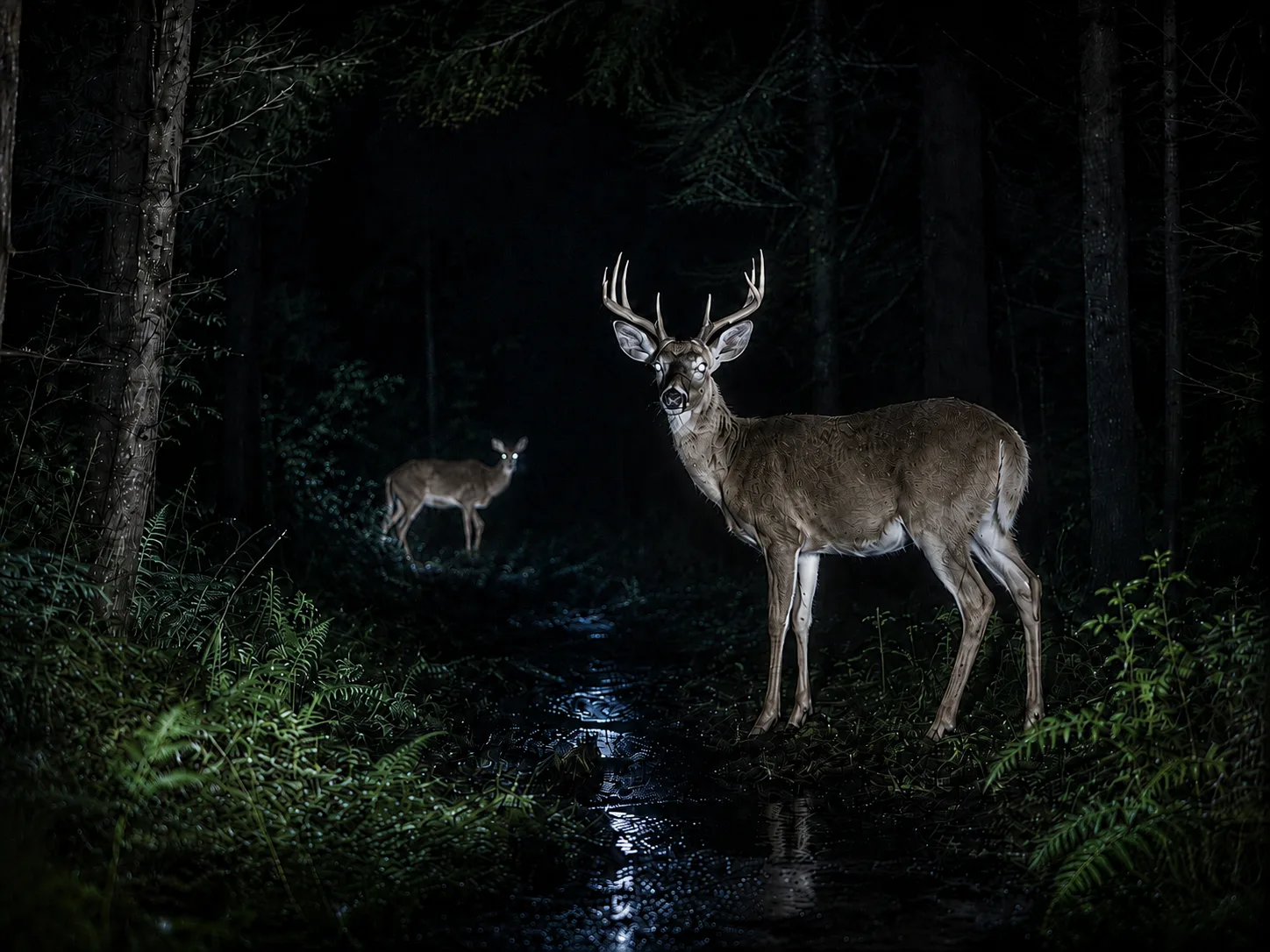
Pull usable detail from near-dark and IR footage without clipping bright hot spots.
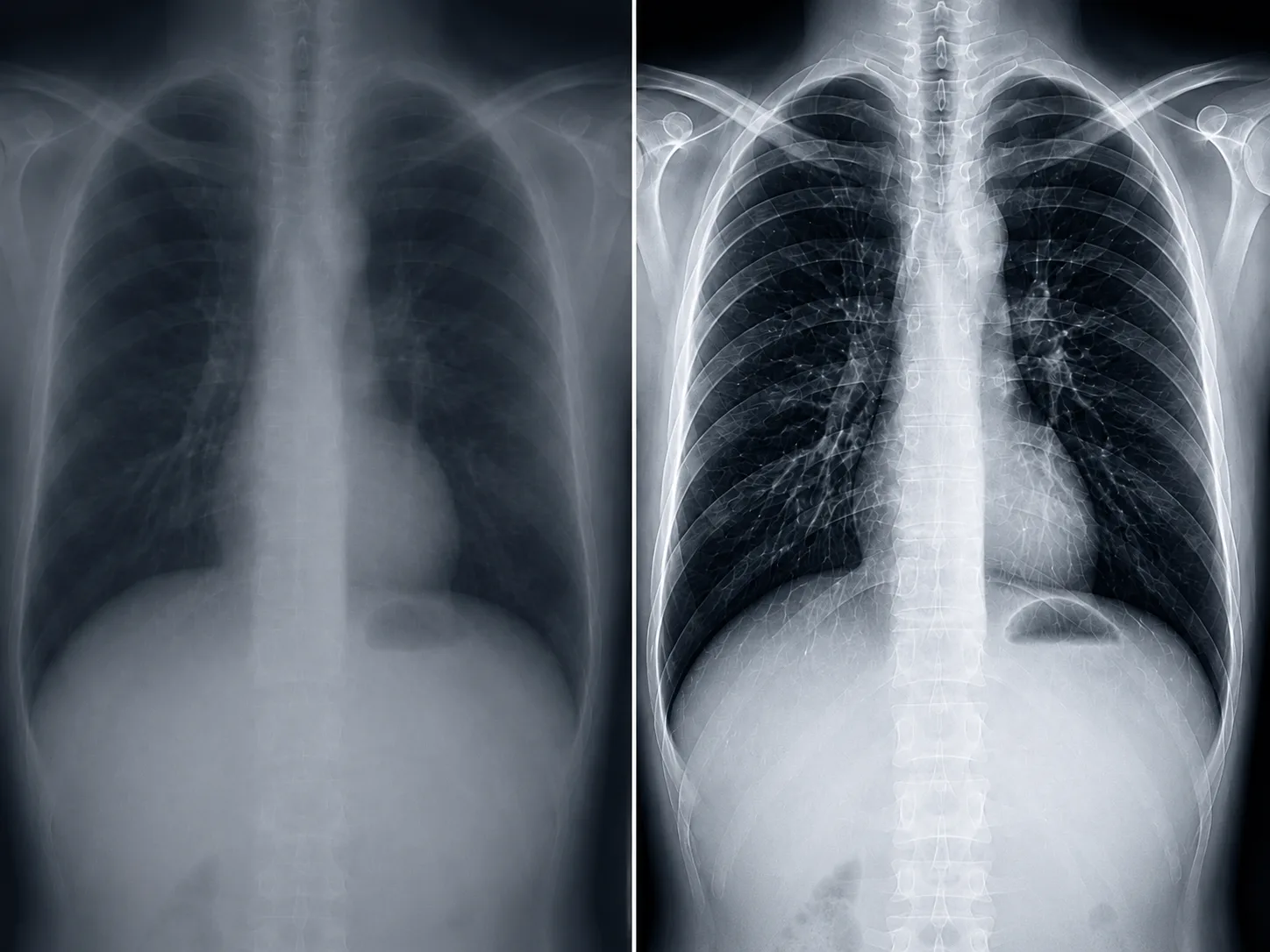
Clearer views in low-illumination procedures such as endoscopy.
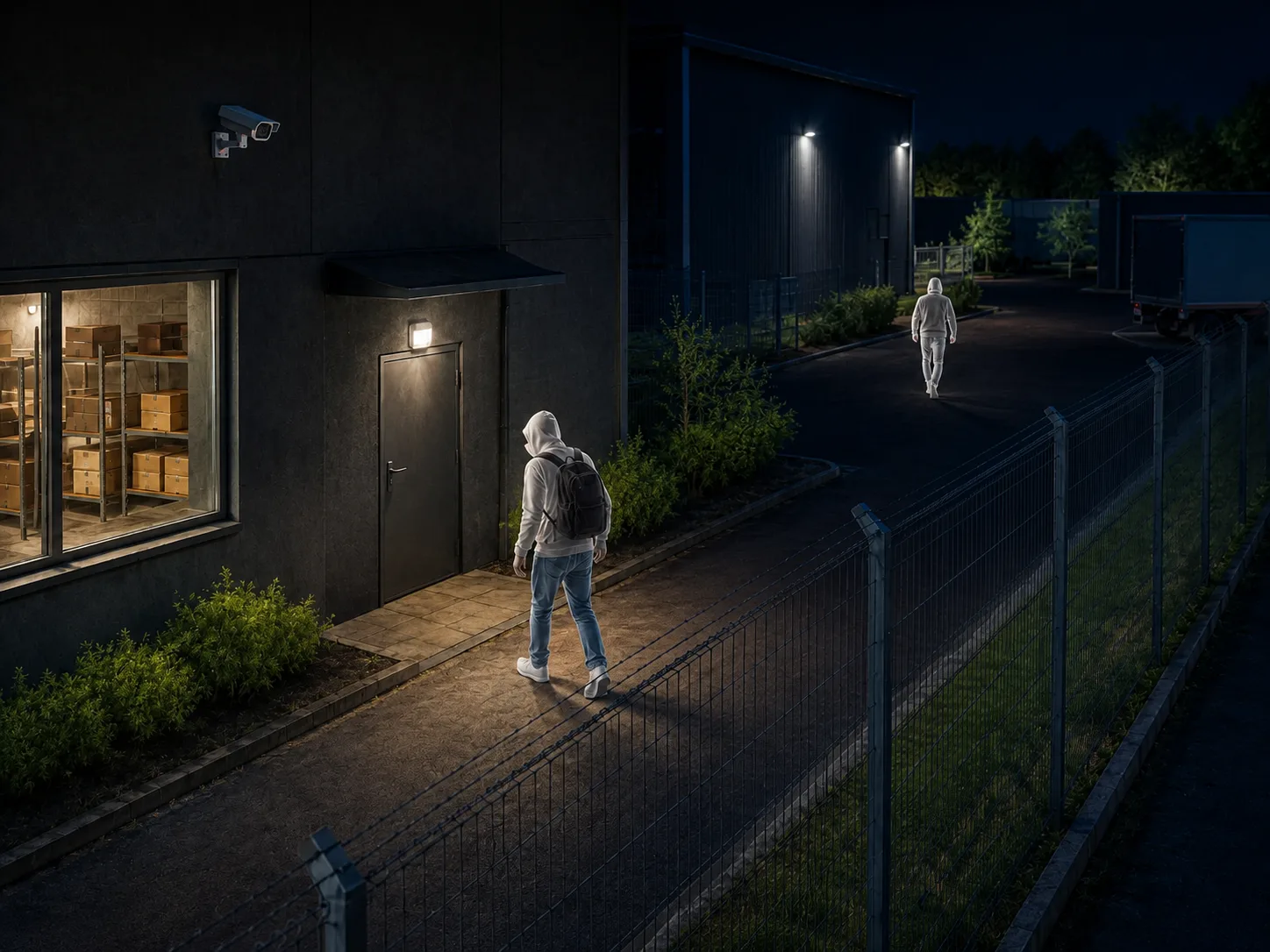
Faces and plates stay legible at night, even against glare.

Well-lit video calls in dim rooms — real-time and on-device.
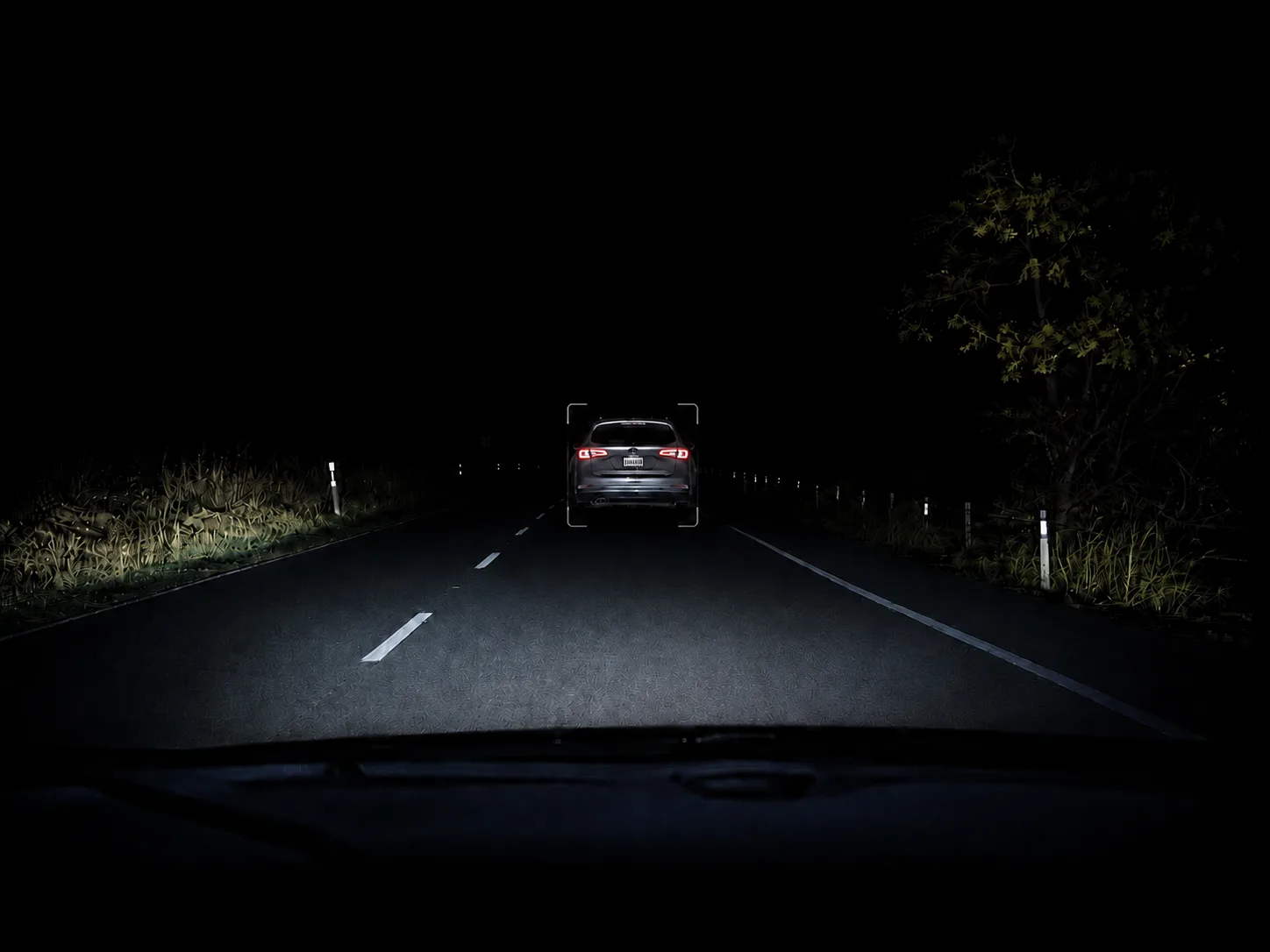
Driver-monitoring and surround-view clarity in tunnels and night driving.
The SDK is available today — get in touch and we'll help you integrate it.
 DeepLux